
From Public Health to PBHC: Supporting Mothers Through Fertility, Pregnancy, and Motherhood After 40
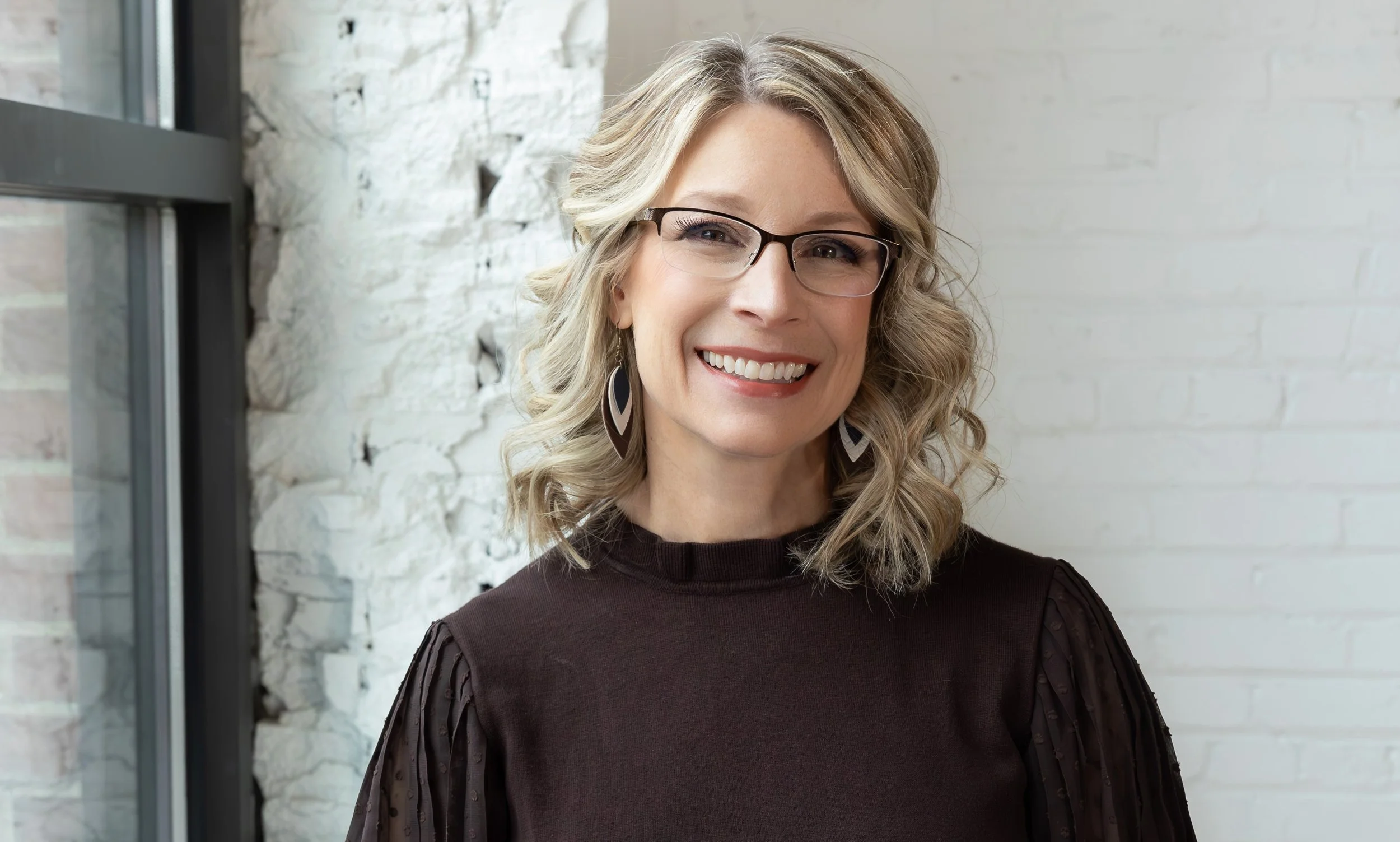
Shelly Lucas, PBHC
“There’s something powerful about supporting someone at the very beginning of their parenting journey. The ripple effects extend far beyond that one person.”
She was just 12 years old, sitting in a waiting room at a local WIC clinic, watching her older sister navigate life as a new mom. It wasn’t a moment that felt extraordinary at the time—but something about it stayed with her.
“I remember visiting the local WIC clinic with my sister, who was a young mom, when I was 12 years old, and thinking that the people working there had one of the best jobs because they got to support families in need.”
For Shelly Lucas, that early experience offered a first glimpse into what meaningful support for mothers could look like. Years later, it led her to pursue a Master’s in Public Health focused on maternal and child health—and eventually to a career supporting women through fertility, pregnancy, and postpartum.
Today, she brings that perspective into her work as a Certified Perinatal Behavioral Health Coach (PBHC), providing practical, skills-based mental health support to mothers navigating the emotional complexities of early parenthood. Her path reflects a growing movement of professionals from diverse backgrounds stepping into perinatal mental health to expand access to care.
From Public Health to Perinatal Mental Health Support
Shelly’s path into perinatal mental health was not linear, but it was consistent in its underlying purpose. Before becoming a Perinatal Behavioral Health Coach, she spent years working in corporate philanthropy and the nonprofit sector—roles that, while varied, were all rooted in a desire to contribute to meaningful, systems-level impact.
As she reflects, “Prior to completing my PBHC, I spent many years in corporate philanthropy and the nonprofit sector. The common theme throughout my career is my desire to give back to others and to be part of something bigger than myself.”
That orientation toward service eventually found a more focused expression in maternal and perinatal health. Today, Shelly’s work spans both direct support and broader advocacy. She works as a Perinatal Behavioral Health Coach through FamilyWell, and is also the founder of Daisy Perinatal Health & Wellness, where she supports women navigating fertility, pregnancy, and postpartum. In addition, she contributes to the broader maternal mental health landscape through her role on the board of Pregnancy & Postpartum Support Minnesota.
Today, her role reflects a career that bridges community systems, individual care, and ongoing efforts to expand access to perinatal mental health support.
Becoming a Mother Later in Life
While Shelly’s professional path had long been grounded in supporting others, it was her own experience of becoming a mother that brought a new level of clarity and urgency to her work. Entering motherhood later in life, she found herself navigating a transition that was both deeply meaningful and unexpectedly complex.
“As I became a mother later in life, I experienced firsthand the emotional complexity of the transition into motherhood — the joy, the identity shifts, the anxiety, and the pressure to ‘feel grateful’ all the time.”
Like many parents, she found that the emotional realities of early motherhood were not always openly discussed. The expectation to feel grateful could sometimes overshadow more difficult emotions, leaving little space to process the full experience of the transition.
This period became a turning point. As she began reflecting on what she wanted next in her career, her personal experience started to guide her professional direction. “As I was contemplating what was next for me in my career, I knew I wanted to do something to support moms – to be the kind of support I wish I had on my own journey.”
That intention ultimately led her to discover Perinatal Behavioral Health Coaching—a path that allowed her to bring together her background in public health with her lived experience, and to support other mothers navigating the emotional complexities of pregnancy and postpartum.
Why Behavioral Health Coaching Resonated
As Shelly explored ways to support mothers more directly, FamilyWell’s Perinatal Behavioral Health Coaching certification stood out as a model that aligned closely with both her professional background and personal experience. Perinatal Behavioral Health Coaches (PBHCs) provide skills-based emotional support during pregnancy and the postpartum period, helping individuals navigate challenges such as anxiety, identity shifts, and the day-to-day realities of early parenthood. The role focuses on practical strategies and emotional support, while also connecting individuals to clinical care when needed.
“I was drawn to the PBHC certification because it bridges two things I care deeply about: evidence-informed mental health support and accessibility.”
For Shelly, coaching offered a way to meet mothers where they are—without requiring them to wait for support or navigate complex systems before getting help. Rather than focusing only on processing emotions, coaching emphasizes actionable tools that can be applied in real time. “I love that coaching focuses on strategies to help moms manage the things they are feeling and experiencing in their day to day so they can feel better as soon as possible.”
At its core, the approach reflects the kind of support she had once needed herself. As she puts it simply, “I wish I had a perinatal behavioral health coach!”
In this way, behavioral health coaching complements traditional mental health care—offering accessible, practical support that helps bridge the gap between recognizing a challenge and knowing what to do next.
Creating Space for Honest Conversations in Early Parenthood
At the center of Shelly’s work is the relationship she builds with the parents she supports. The perinatal period is often filled with intense and sometimes conflicting emotions—joy alongside anxiety, connection alongside isolation, confidence alongside uncertainty. It is a time of profound transition, where many individuals are adjusting not only to caring for a new baby, but also to a shifting sense of self.
“What I love most is the depth and honesty of this season of life,” Shelly shares.
In a landscape where parents are often expected to appear grateful, capable, and composed, creating space for more honest conversations becomes essential. “Being able to create a space where someone feels truly seen, where they don’t have to pretend they’re ‘fine,’ and where both their strength and their vulnerability are welcomed is incredibly meaningful to me.”
This kind of support can be especially impactful in the early stages of parenthood, when experiences are new, emotions are heightened, and support systems may still be forming. “There’s also something powerful about supporting someone at the very beginning of their parenting journey. The ripple effects extend far beyond that one person.”
Advice for Professionals Interested in Perinatal Mental Health
For those considering a career shift into perinatal mental health, Shelly offers a clear and encouraging perspective. “First – do it! This work is both meaningful and needed.”
As awareness of maternal mental health continues to grow, so does the need for professionals who can support families during pregnancy and postpartum. Individuals from a wide range of backgrounds—public health, education, nonprofit work, healthcare, and beyond—can play an important role in expanding access to care. For many, this work represents an opportunity to align professional skills with a deeper sense of purpose.
At the same time, Shelly emphasizes the importance of approaching the field with intention. “It’s important to approach it with humility, a commitment to ongoing learning, and a clear understanding of scope.” The perinatal period is a vulnerable time, and supporting parents effectively requires both compassion and a strong foundation in evidence-informed practices.
For those who feel drawn to this work, the opportunity to make an impact is significant. As Shelly shares, “If you feel drawn to this work, there is absolutely a place for you, and the impact you can have is significant.”
The Future of Perinatal Mental Health Care
Looking ahead, Shelly is encouraged by the growing shift in how perinatal mental health is understood and addressed. “What excites me most is the growing recognition that mental health is a core part of perinatal care, not an afterthought.”
This shift is reflected in the expansion of more integrated care models, where emotional well-being is addressed alongside physical health throughout pregnancy and postpartum. Collaborative approaches—bringing together OB providers, mental health professionals, and behavioral health coaches—are helping create more consistent and accessible support for families.
“I’m especially encouraged by the expansion of collaborative care models and the integration of roles like PBHCs, which increase access and continuity of support.”
As these models continue to evolve, they offer a path toward more comprehensive, proactive care—ensuring that parents receive support earlier and more consistently during the perinatal period.
Expanding Support for Mothers and Families
Shelly’s journey reflects a broader shift happening across maternal health. As awareness of perinatal mental health grows, so does the recognition that families need more accessible, compassionate, and practical support during pregnancy and postpartum.
Roles like Perinatal Behavioral Health Coaches are helping meet that need by expanding the workforce and creating additional pathways for support. Professionals from diverse backgrounds are stepping into this space, bringing with them a range of skills and perspectives that strengthen care for families.
At the same time, the work remains deeply personal. For Shelly, her professional path continues to be shaped by her experience as a mother and her commitment to supporting others through a similar transition. As she reflects, “Motherhood itself is also a grounding force. It continually brings me back to what matters.”
Together, these individual journeys are contributing to a larger movement—one that is redefining how perinatal mental health is supported and making it more accessible for families at every stage.
About Shelly Lucas
Shelly Lucas is a Certified Perinatal Behavioral Health Coach (PBHC) and founder of Daisy Perinatal Health & Wellness, where she supports women navigating fertility, pregnancy, and postpartum, particularly those becoming mothers later in life. She also provides coaching through FamilyWell Health, serves on the board of Pregnancy & Postpartum Support Minnesota, and volunteers with Postpartum Support International, helping expand access to compassionate maternal mental health care.
Location:
Apple Valley, Minnesota, USA
